
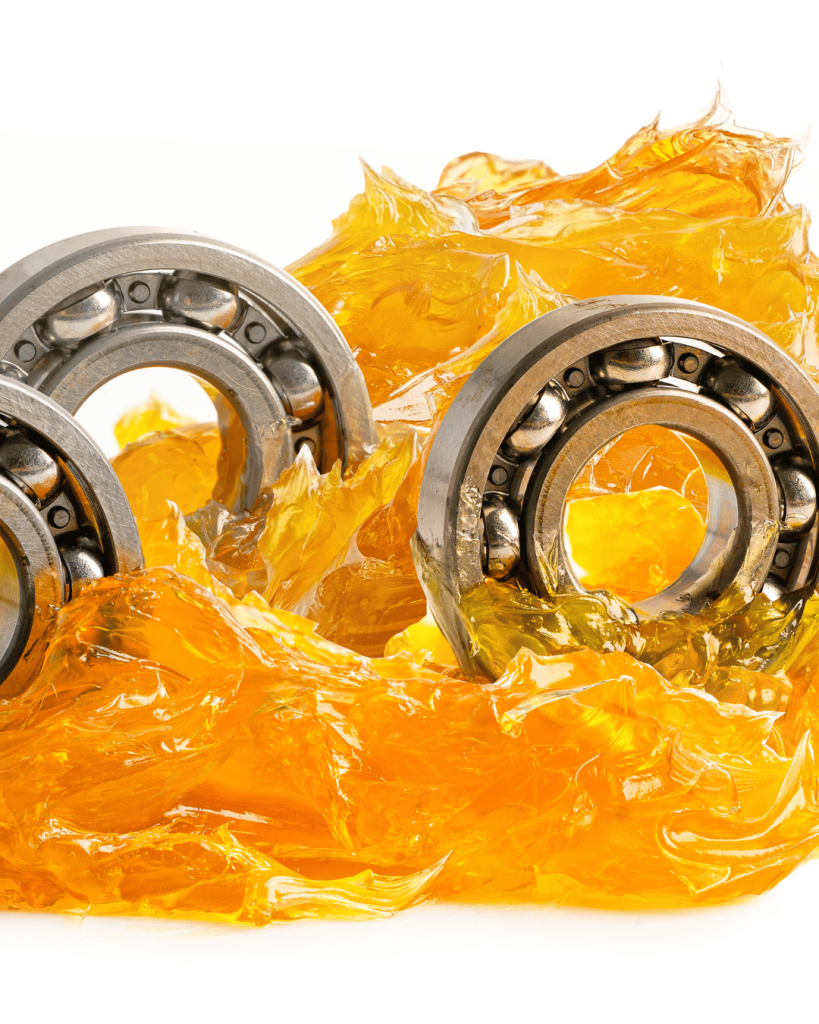
Welcome to our blog on industrial lubrication tribology! In this article, I will explain what lubrication tribology is, how to use it in the industry, and why it is important.
What is lubrication tribology? Lubrication tribology is the study of friction, wear, and lubrication of systems in motion and in mutual contact. Lubrication tribology is used to reduce friction and wear between two surfaces in contact, which helps extend equipment life and reduce maintenance costs. Lubrication tribology is also used to improve energy efficiency and reduce greenhouse gas emissions.
How to use lubrication tribology in industry? Lubrication tribology is used in industry to improve efficiency and reduce maintenance costs. Some ways that lubrication tribology can be used in industry are:
Lubricant selection: Lubrication tribology is used to select the right lubricants for a specific application. Lubricants are selected based on operating conditions, temperature, load, and other factors.
Component design: Lubrication tribology is used to design components that reduce friction and wear. Components are designed to minimize friction and wear, which helps extend equipment life. These include automatic lubrication systems designed to supply the right amount of lubricant to a bearing at the exact moment, taking into account the use, load, speed, and the environment in which the machine is located.
Lubricant analysis: Lubrication tribology is used to analyze lubricants and determine their condition. Lubricant analysis is used to detect problems before they turn into costly failures.
Predictive maintenance: Lubrication tribology is used to implement a predictive maintenance plan based on lubricant analysis. Predictive maintenance helps reduce breakdowns, lubricant consumption, and the amount of energy consumed.
Why is lubrication tribology important? Lubrication tribology is important because it helps extend equipment life, reduces maintenance costs, and improves energy efficiency. Lubrication tribology also helps reduce greenhouse gas emissions and protect the environment.
We hope this article has been useful and that you have learned something new. If you would like more information about lubrication tribology, do not hesitate to contact us. Thanks for reading!