
V-Belts
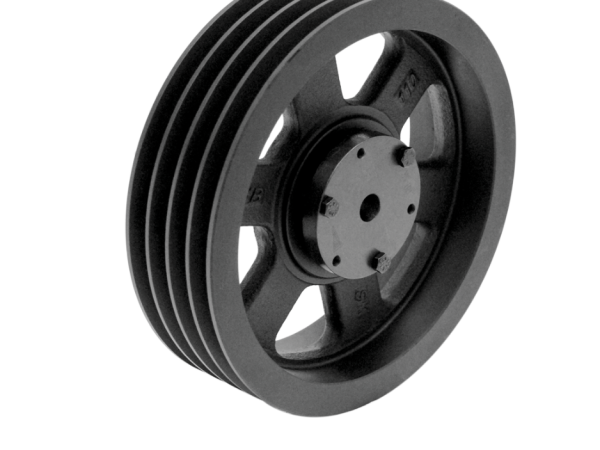
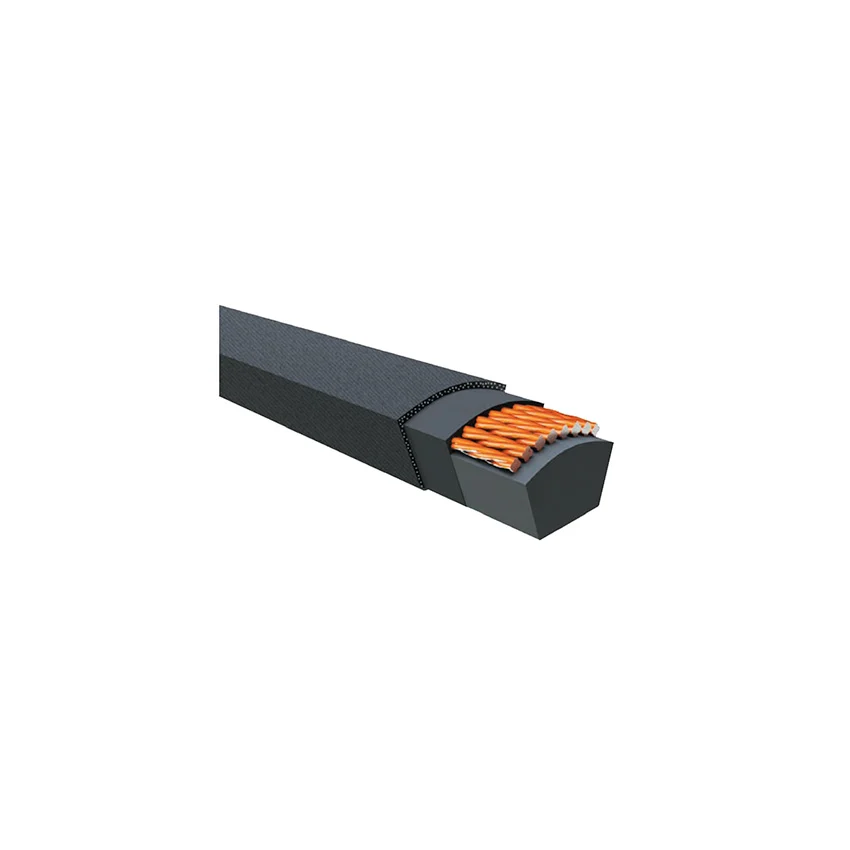
V-Belts are the most common type of industrial power transmission belt. Their trapezoidal cross-section allows them to wedge into pulley grooves, increasing friction and minimizing slippage.
They are ideal for medium to high-load applications and are widely used in pumps, compressors, fans, and industrial machinery. V-belts offer reliable performance, simple installation, and cost-effective maintenance.
Key Benefits:
-
High power transmission efficiency
-
Good shock absorption
-
Easy replacement and maintenance
-
Suitable for a wide range of industrial applications
Timing Belts
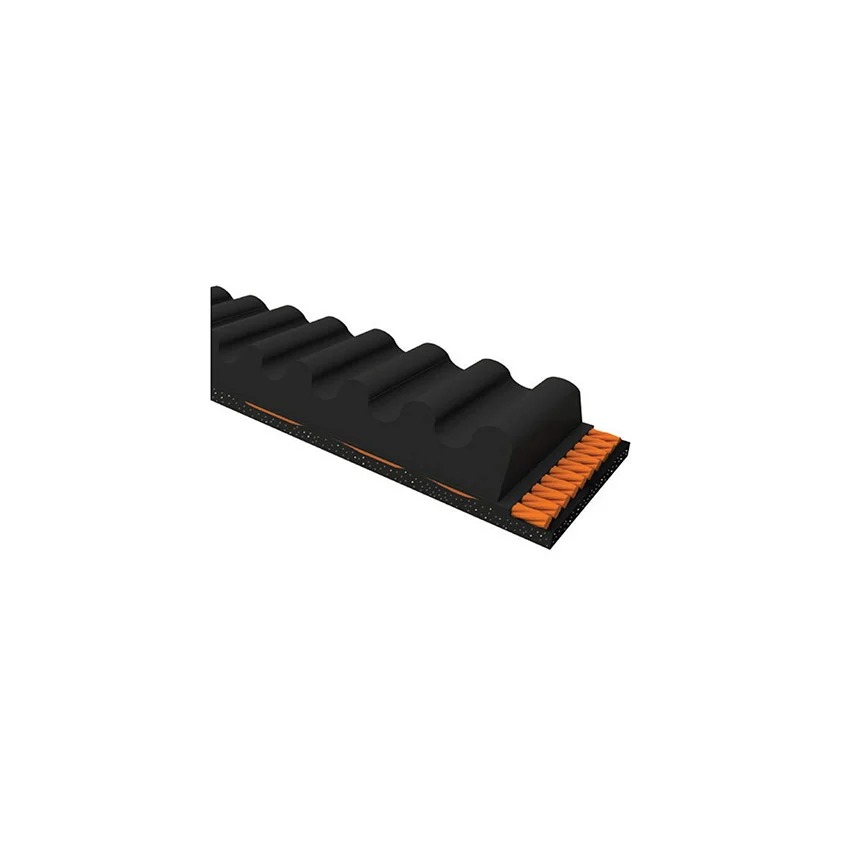
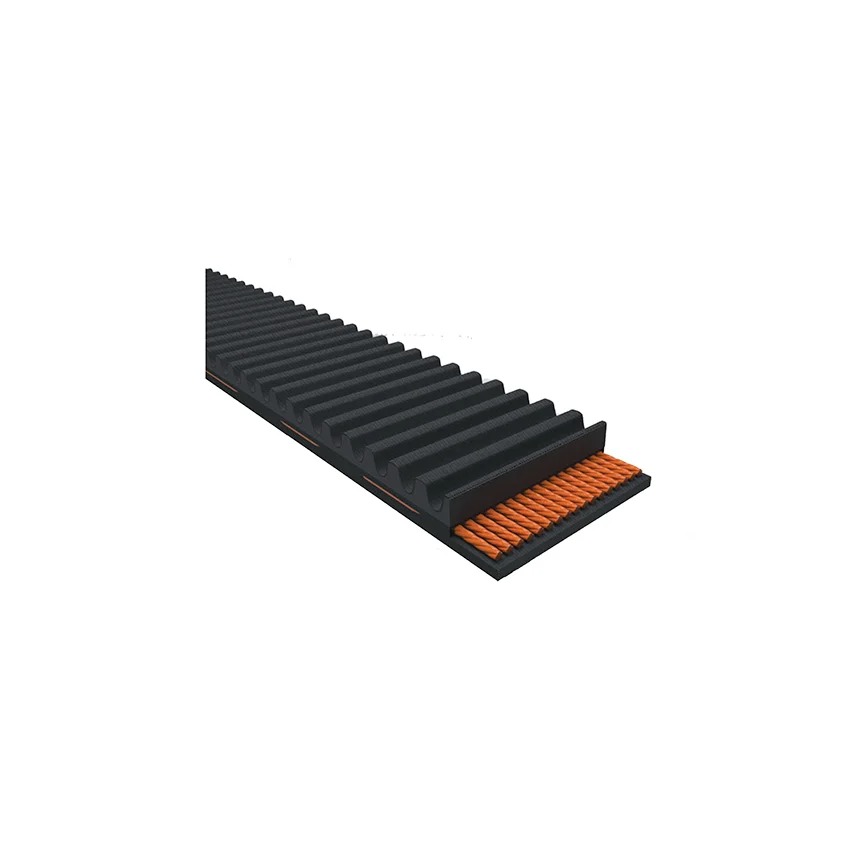
Timing belts (also known as synchronous belts) feature molded teeth that mesh precisely with pulley grooves, ensuring accurate and slip-free power transmission.
They are designed for applications requiring precise timing and synchronization between shafts, such as automated machinery, conveyors, packaging equipment, and engines.
Key Benefits:
-
No slippage
-
Precise synchronization
-
High efficiency
-
Low maintenance
-
Reduced noise compared to chain drives
Banded V-Belts
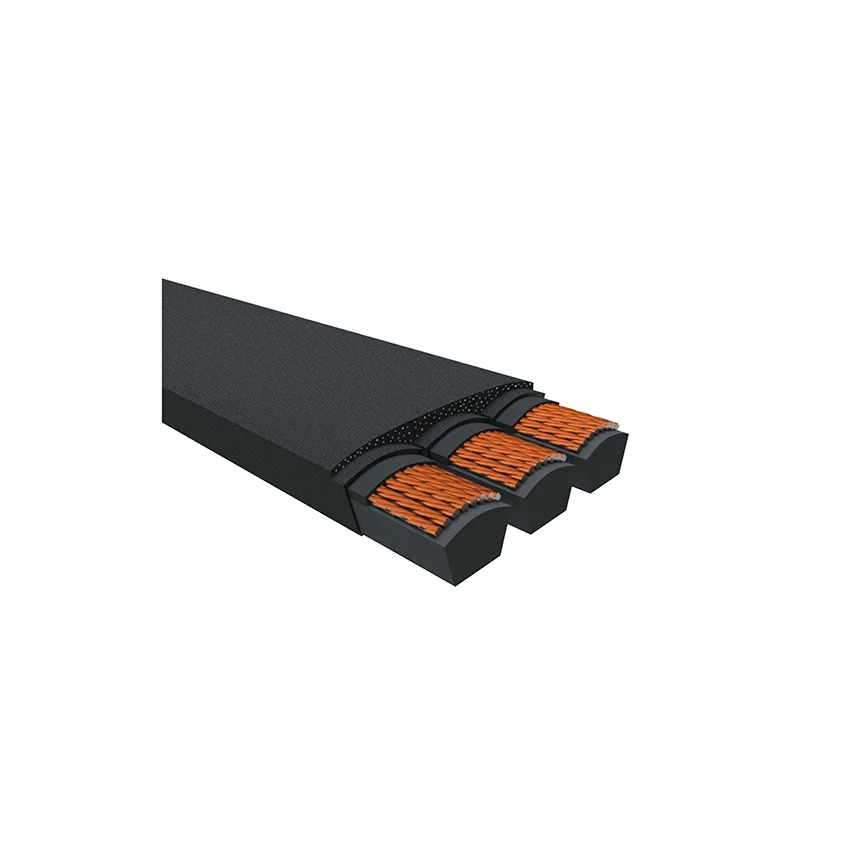
Banded V-Belts consist of multiple V-belts joined together by a reinforced backing. This design increases stability and prevents individual belts from twisting, flipping, or jumping out of the pulley.
They are ideal for high-load, high-vibration, or shock-load applications such as crushers, heavy-duty compressors, and industrial drives.
Key Benefits:
-
Improved stability in high-vibration environments
-
Even load distribution
-
Reduced belt whip and misalignment
-
Longer service life in demanding applications